
| Article number: | DRACO-SHO |
| Availability: | More on the Way to us |
| Delivery time: | Preorder Now to reserve one! |
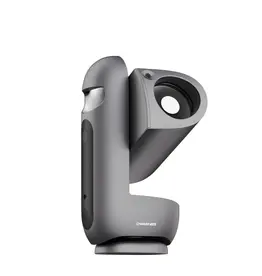
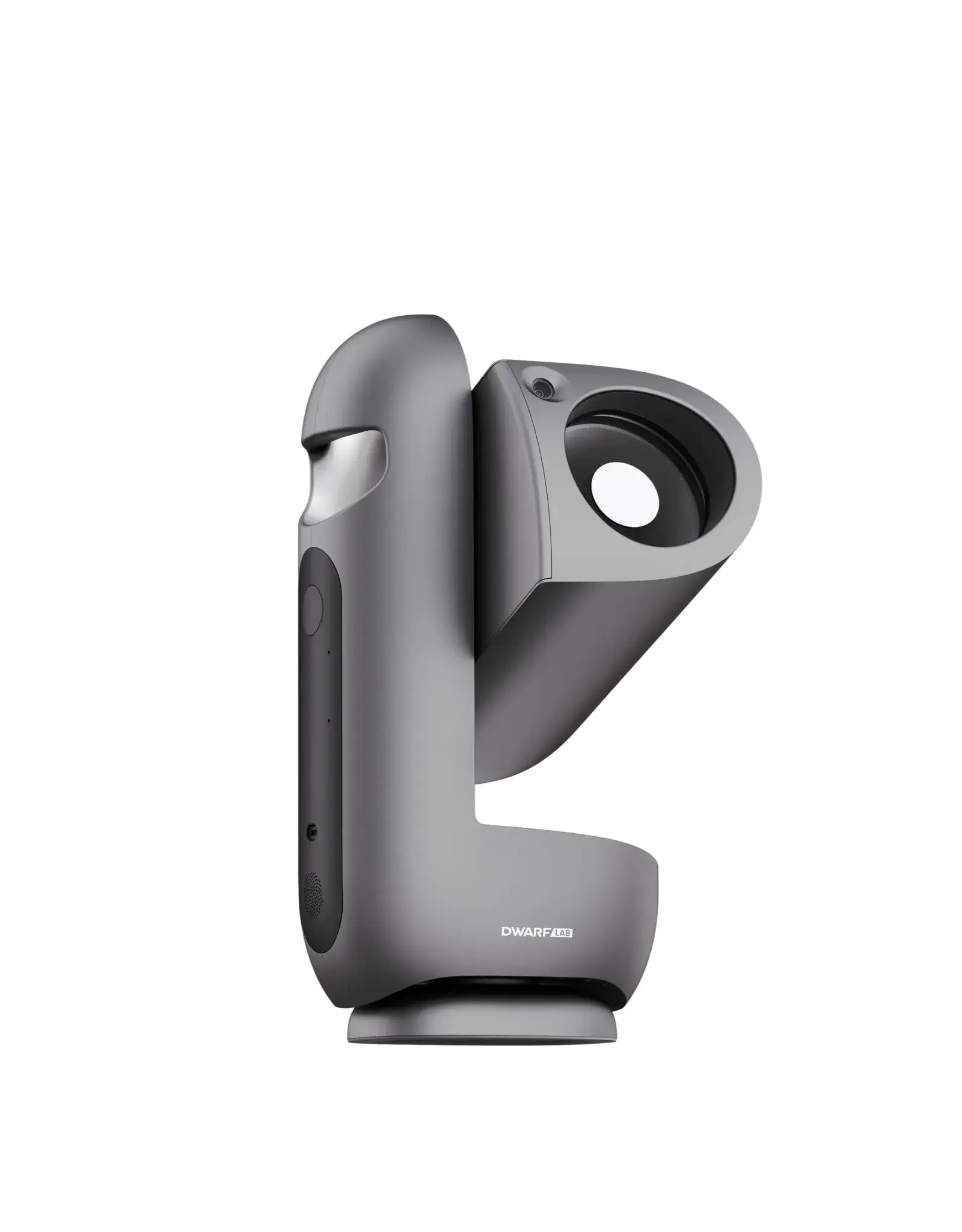
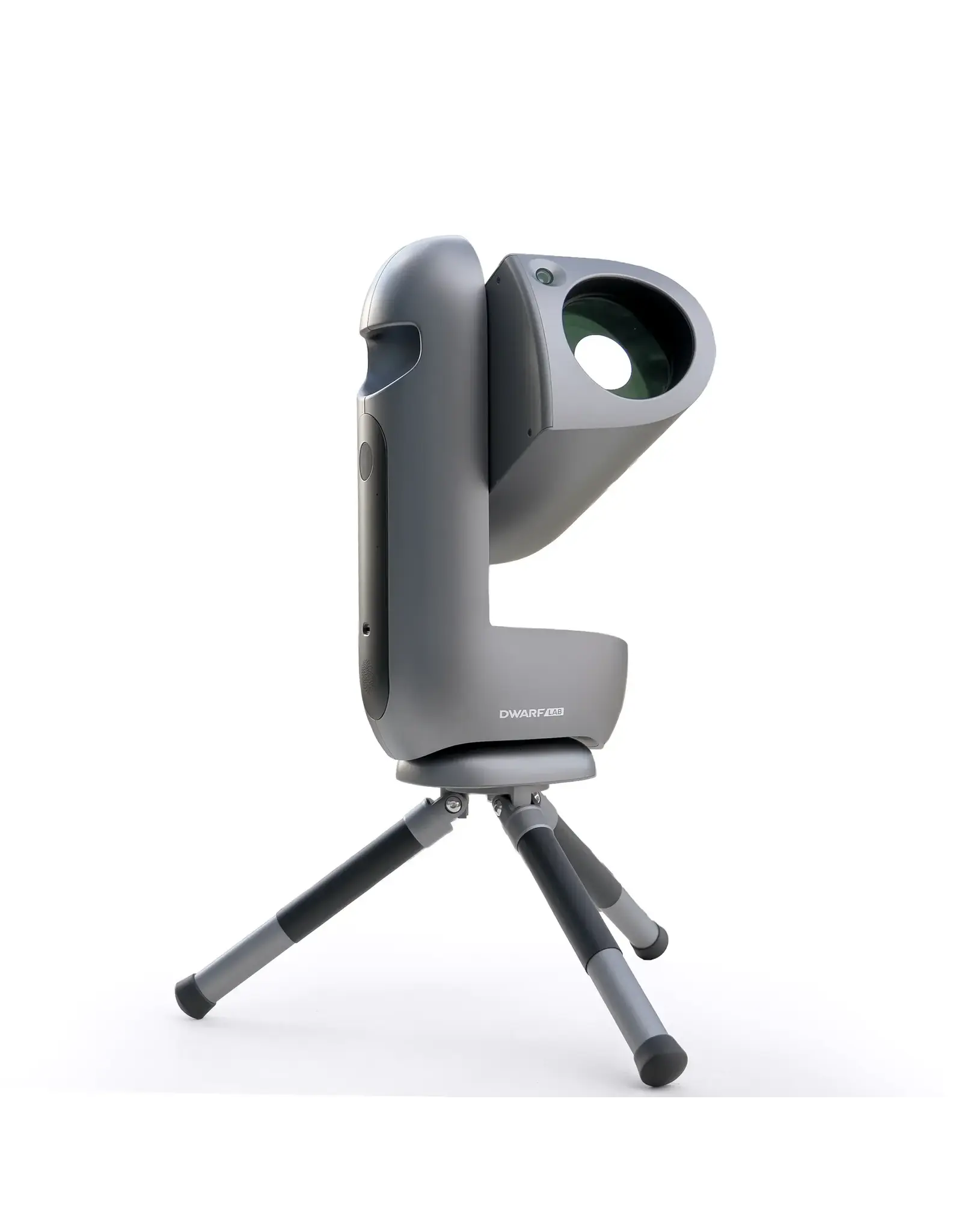
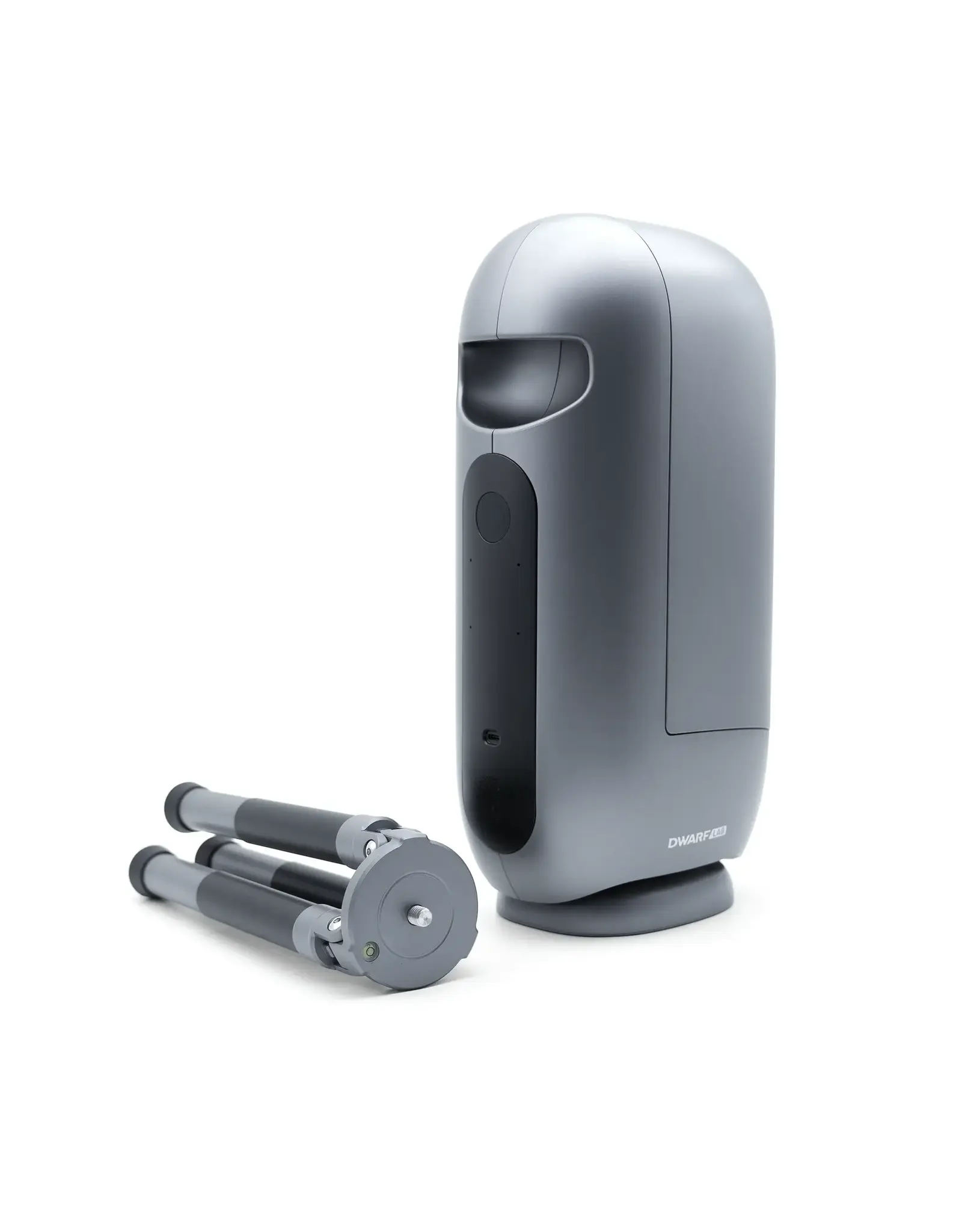
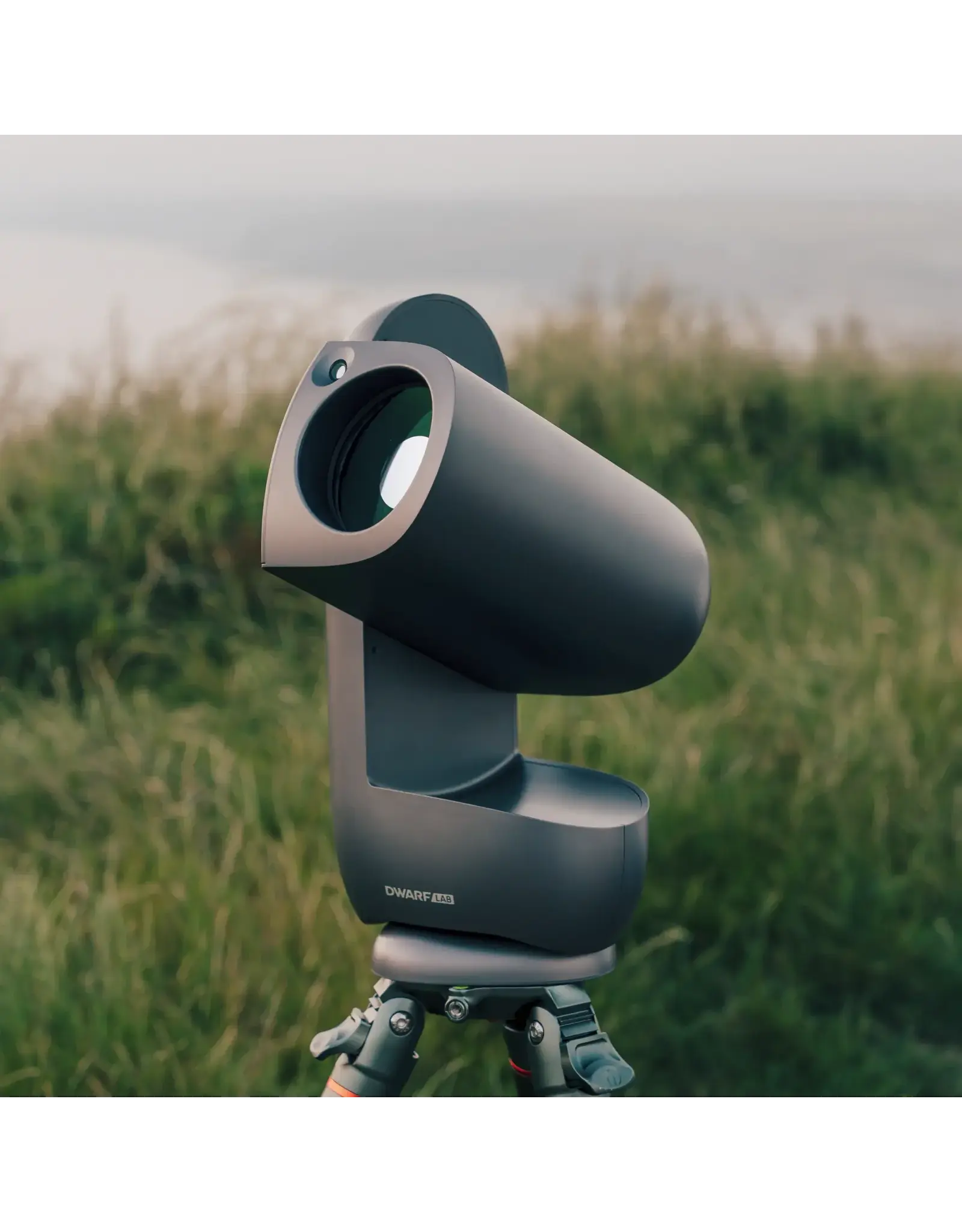
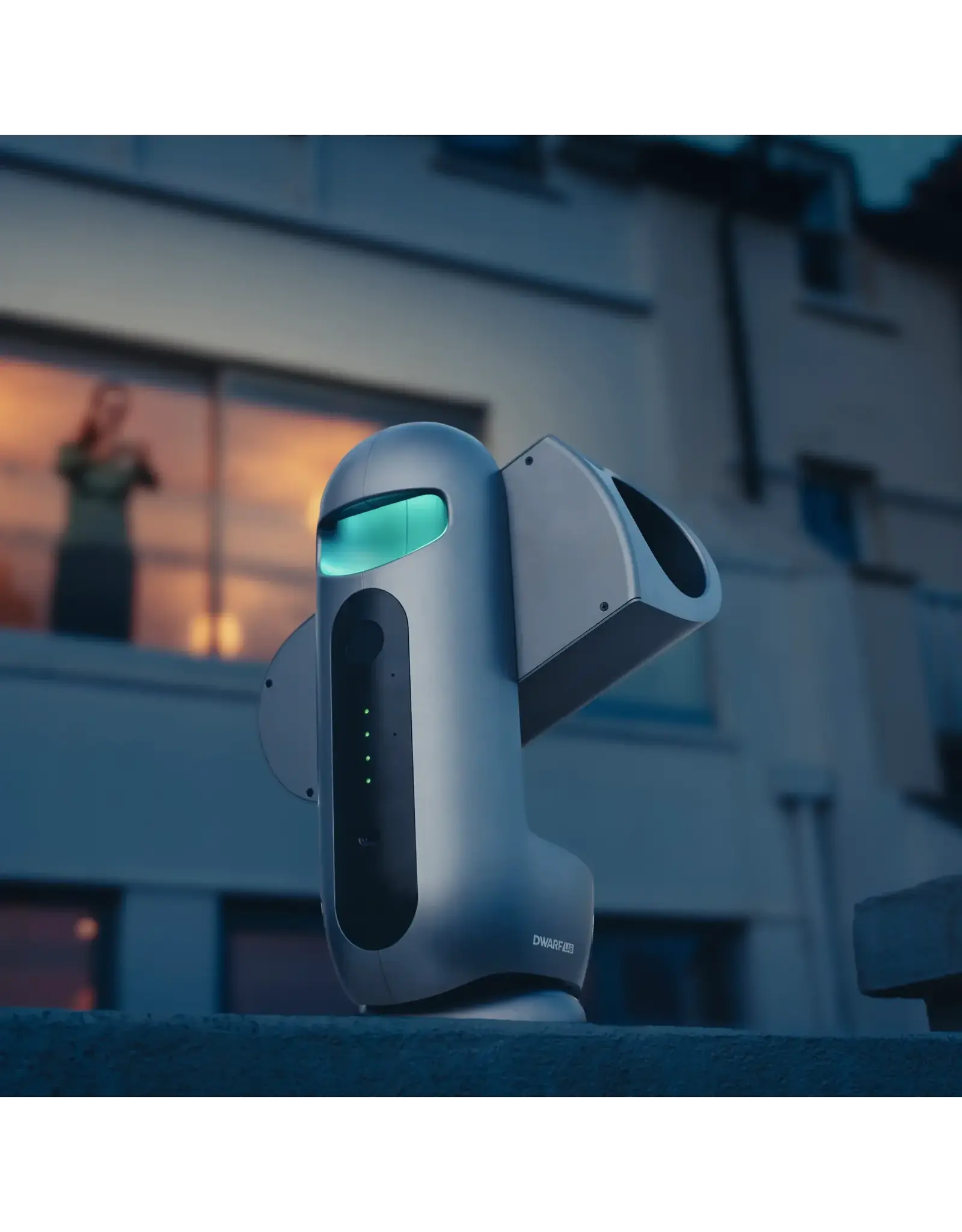
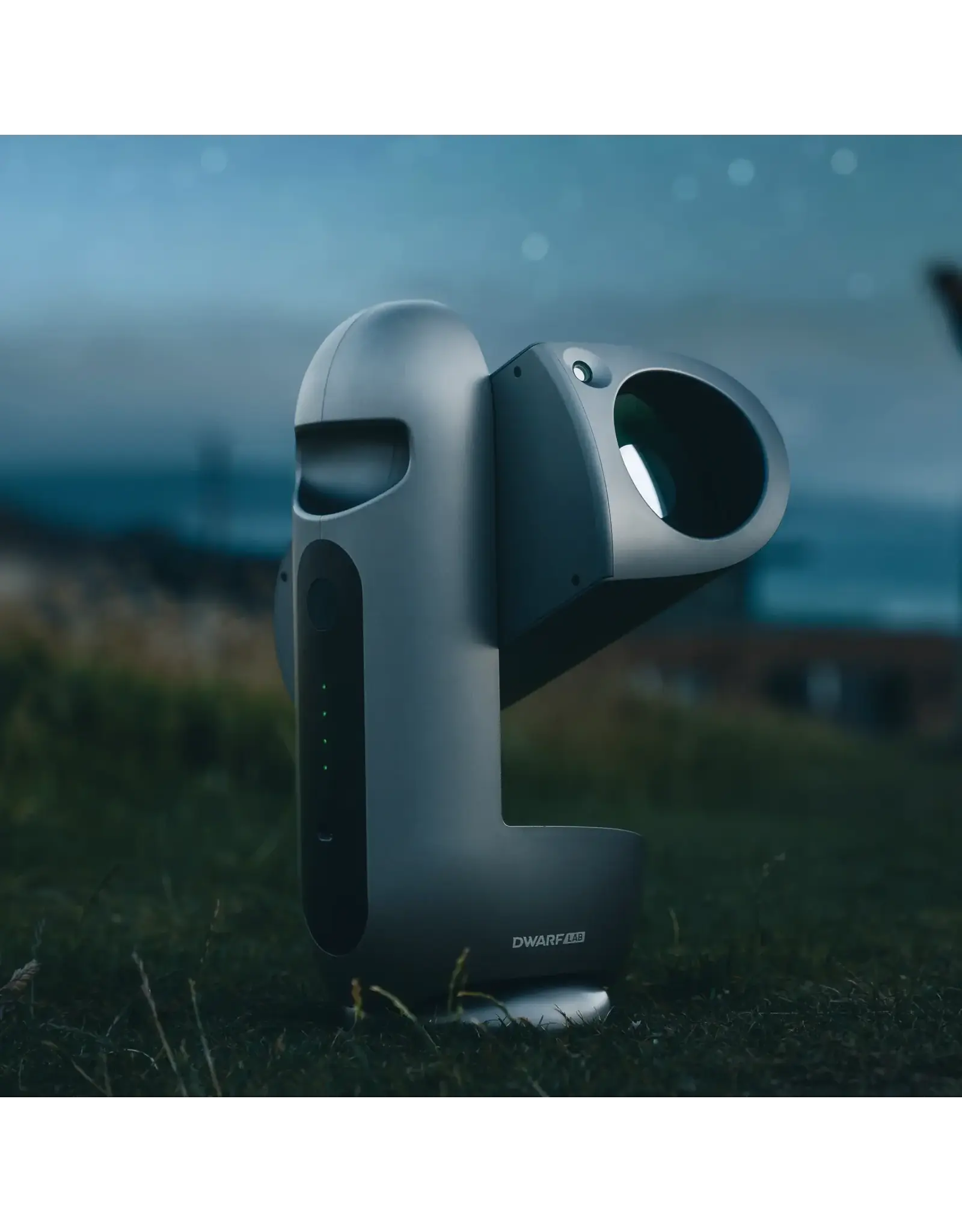
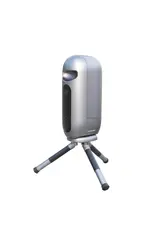
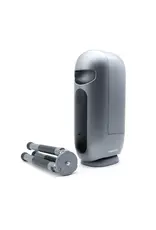
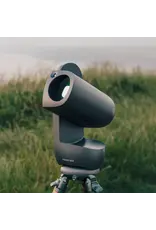
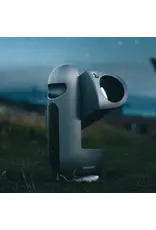
The DWARFLAB Draco is an advanced smart telescope designed to make high-quality astrophotography accessible without the complexity of a traditional telescope and camera setup. It combines a 90mm telephoto optical system, a wide-angle camera, dedicated guiding camera, built-in filters, automatic focusing, target acquisition, tracking, calibration, and image stacking into a single integrated system.
The Draco is designed for deep-sky astrophotography as well as imaging the Sun, Moon, planets, Milky Way, star trails, and wide-field landscapes. Operation is handled through the DWARFLAB App for iOS and Android, allowing users to select targets, control imaging settings, and process images from a mobile device.
OPTICAL SYSTEM
The telephoto system features a 90mm aperture and a 1200mm 35mm-equivalent focal length. A separate wide-angle camera provides a 23.3mm equivalent focal length with an ultra-wide field of view, allowing the Draco to capture both detailed celestial targets and larger areas of the night sky.
TELEPHOTO CAMERA
• 1/1.3-inch sensor
• 50.33MP native sensor resolution
• 50MP-class imaging
• 1200mm equivalent focal length
• 1.197 μm native pixel size
• 2.394 μm effective pixels with 2×2 binning
• Approximately 12MP output when using 2×2 pixel binning
• 4:3 aspect ratio
WIDE-ANGLE CAMERA
• 1/1.55-inch sensor
• 23.3mm equivalent focal length
• 85.74° diagonal field of view
• 73.20° horizontal field of view
• 58.23° vertical field of view
• Designed for Milky Way photography, star trails, landscapes, and wide-field night-sky imaging
DEEP-SKY IMAGING
For deep-sky photography, the Draco uses 2×2 pixel binning to combine four adjacent pixels into a larger effective pixel. This produces approximately 12MP images while improving light-gathering efficiency and signal-to-noise performance. The system is designed to reveal details in nebulae, galaxies, star clusters, and other faint deep-sky targets.
The Draco supports single-frame exposures of up to 300 seconds. Built-in guiding and automated tracking help maintain accurate framing during longer exposures and multi-frame stacking.
PLANETARY, LUNAR, AND SOLAR IMAGING
When imaging the Sun, Moon, and planets, the telephoto camera can use its native 1×1 pixel readout for finer sampling. Intelligent cropping helps keep the target prominent in the frame while reducing unnecessary black space.
This mode is suitable for capturing lunar craters, sunspots, planetary details, Saturn's rings, Jupiter's Great Red Spot, and other high-resolution solar-system targets.
BUILT-IN FILTER SYSTEM
The Draco incorporates multiple built-in filters designed for different types of imaging.
Astronomy Filter:
Designed to preserve a broad range of useful starlight for deep-sky targets such as galaxies and star clusters.
Hα + O III Dual-Narrowband Filter:
Targets hydrogen-alpha at 656.3nm and oxygen-III at 500.7nm. Both channels use a 13 ± 3nm bandpass to reduce unwanted background light and improve contrast on emission nebulae.
SHO EDITION
The SHO Edition adds a built-in S II + O III dual-narrowband filter to the standard Hα + O III filter system. The S II channel targets 671.6nm while O III targets 500.7nm, with a 13 ± 3nm bandpass.
The two dual-narrowband filters can be used automatically in sequence to capture S II, Hα, and O III data. The Draco can then automatically separate, map, and combine the data to produce Hubble Palette-style images.
The SHO Edition also includes an external ND filter for solar imaging.
AUTOMATED ASTROPHOTOGRAPHY
The Draco is designed to automate many of the tasks normally associated with astrophotography. Through the DWARFLAB App, users can select a target and allow the system to automatically handle:
• Autofocus
• Calibration
• Target acquisition
• Tracking
• Guiding
• Live stacking
• Dark-frame capture
• Image processing
The system includes built-in flat and bias calibration data and can automatically capture dark frames during operation. Calibration is applied during live stacking to help reduce thermal noise, vignetting, dust shadows, and read noise.
AUTO AND PRO MODES
Auto Mode automatically adjusts imaging parameters according to the selected target.
Pro Mode provides greater manual control over imaging settings including exposure, gain, and filter selection.
Exposure times range from 1/10,000 second to 300 seconds, providing flexibility for both daytime and nighttime imaging.
EQUATORIAL MODE
The Draco's metal base and frame provide a rigid platform for operation in Equatorial Mode. The DWARFLAB App provides guidance for positioning the telescope at the appropriate angle, helping provide stable tracking for long exposures and multi-frame stacking.
CONNECTIVITY AND STORAGE
• Wi-Fi
• Bluetooth
• NFC
• Wi-Fi operating range up to approximately 10 meters
• Built-in 128GB storage
• USB-C connectivity
• Compatible with iOS and Android devices
BATTERY
• Built-in 7.7V 10,000mAh battery
• External USB charging support
• Approximately 5 hours of battery life under specified operating conditions
FILE FORMATS
• JPG
• MP4
• RAW
• FITS
• TIFF
• PNG
ADDITIONAL FEATURES
• Built-in guiding camera
• Automatic target acquisition
• Automatic focusing
• Automatic tracking
• Live image stacking
• Automatic calibration
• Panorama mode
• Time-lapse mode
• Burst mode
• Photo and video modes
• Astronomy imaging modes
• RTSP streaming support
• H.264 / H.265 video support
PHYSICAL SPECIFICATIONS
• Telephoto aperture: 90mm
• Wide-angle aperture: 2.96mm
• Weight: 5.5kg / approximately 12.1 lb
• Dimensions: 385.85 × 196.28 × 133.25mm
• Approximate dimensions in inches: 15.2 × 7.7 × 5.2 inches
• Operating temperature: -4°F to 113°F / -20°C to 45°C
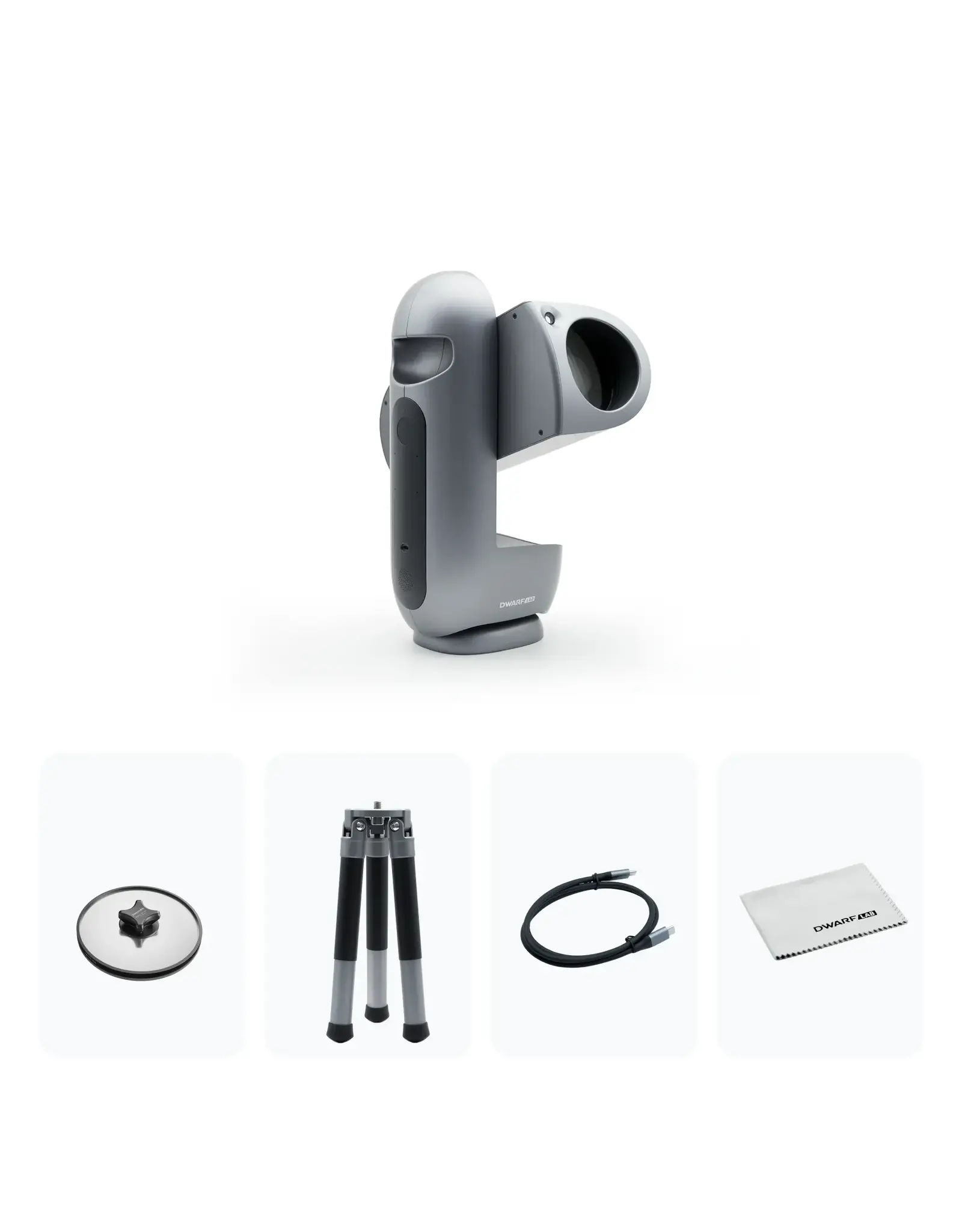
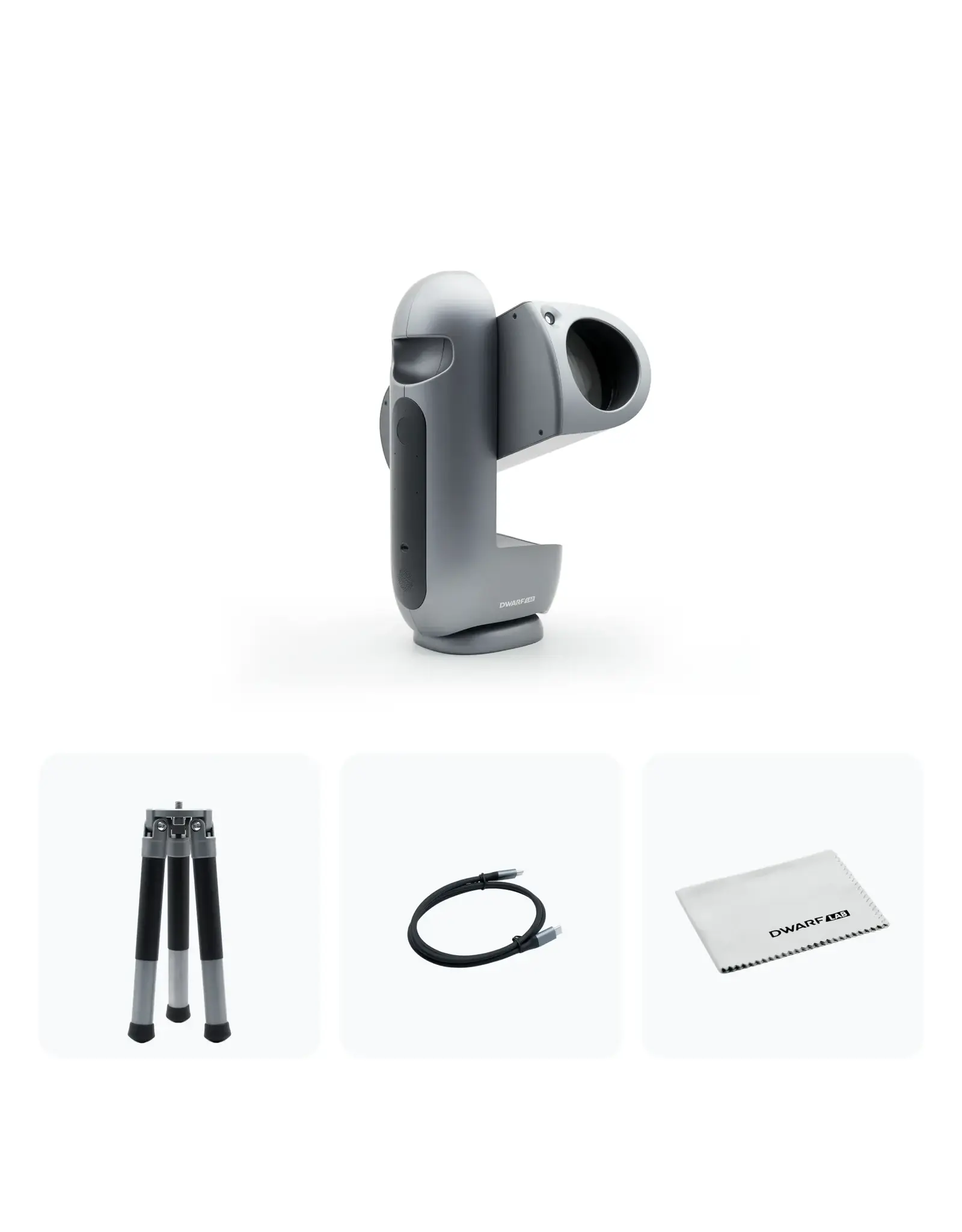
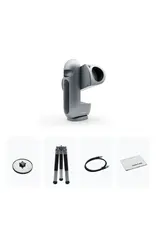
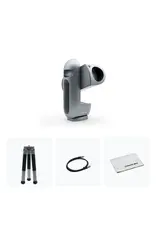
INCLUDED ACCESSORIES
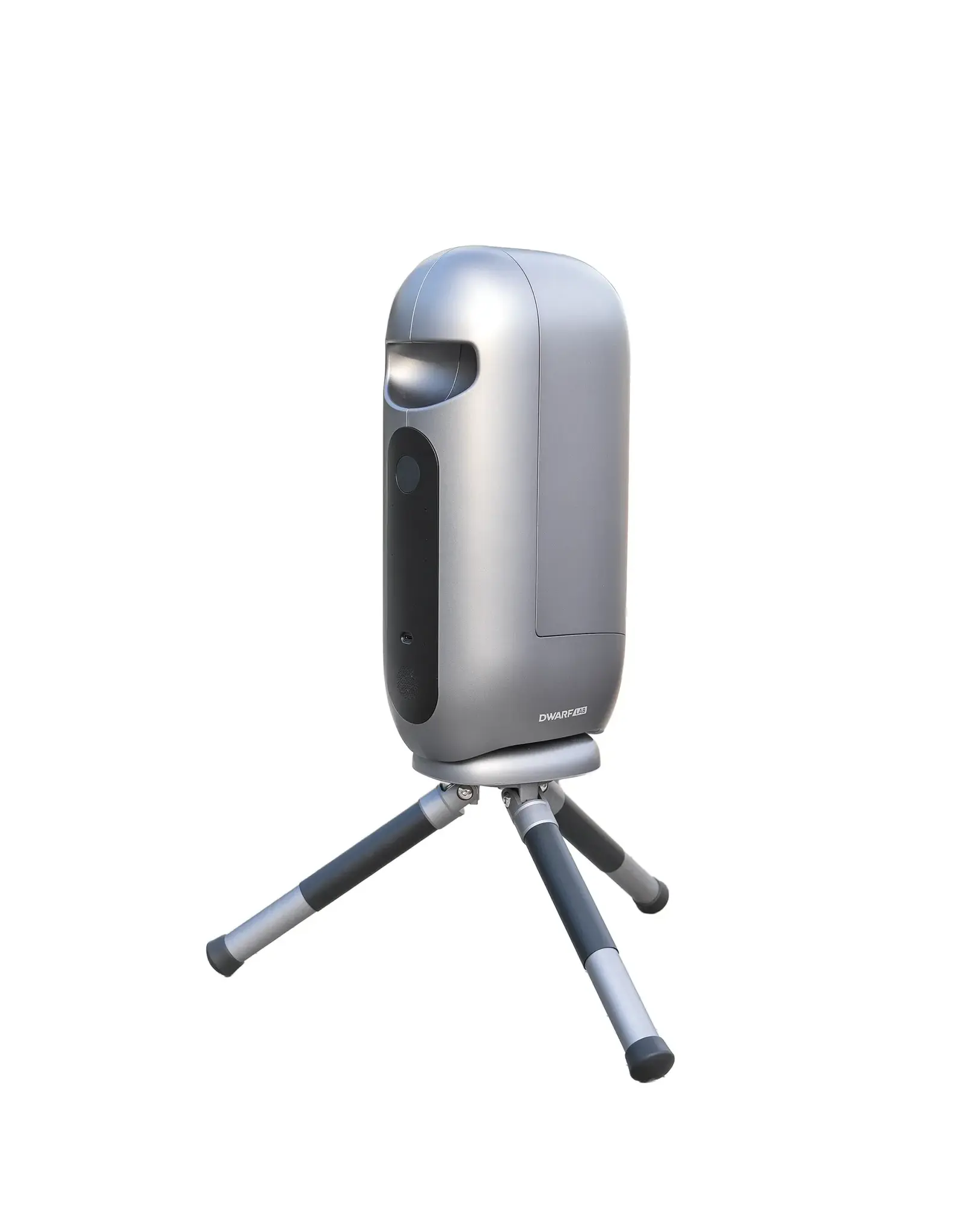
• Draco Smart Telescope
• Aluminum-alloy tripod
• USB-C data cable
• Lens cleaning cloth
The included tripod weighs approximately 480g (1.06 lb), has a 3/8"-16 mounting thread, and folds to approximately 80 × 80 × 268mm.
The DWARFLAB Draco combines substantial 90mm-aperture optics with automated astrophotography features in a portable, self-contained system. It is particularly well suited for users who want to capture deep-sky objects and other astronomical targets without assembling a conventional telescope, equatorial mount, guide camera, imaging camera, and computer-based astrophotography system.