
| Availability: | In stock |
| Delivery time: | Hurry! Buy Now before it is GONE! |
NOTICE: This is a pre-owned product. This item may not come with its original packaging, and may not have all of the original accessories. Camera Concepts thoroughly tests, and ensures the quality of all pre-owned products we advertise. See below for a more detailed description of the product.
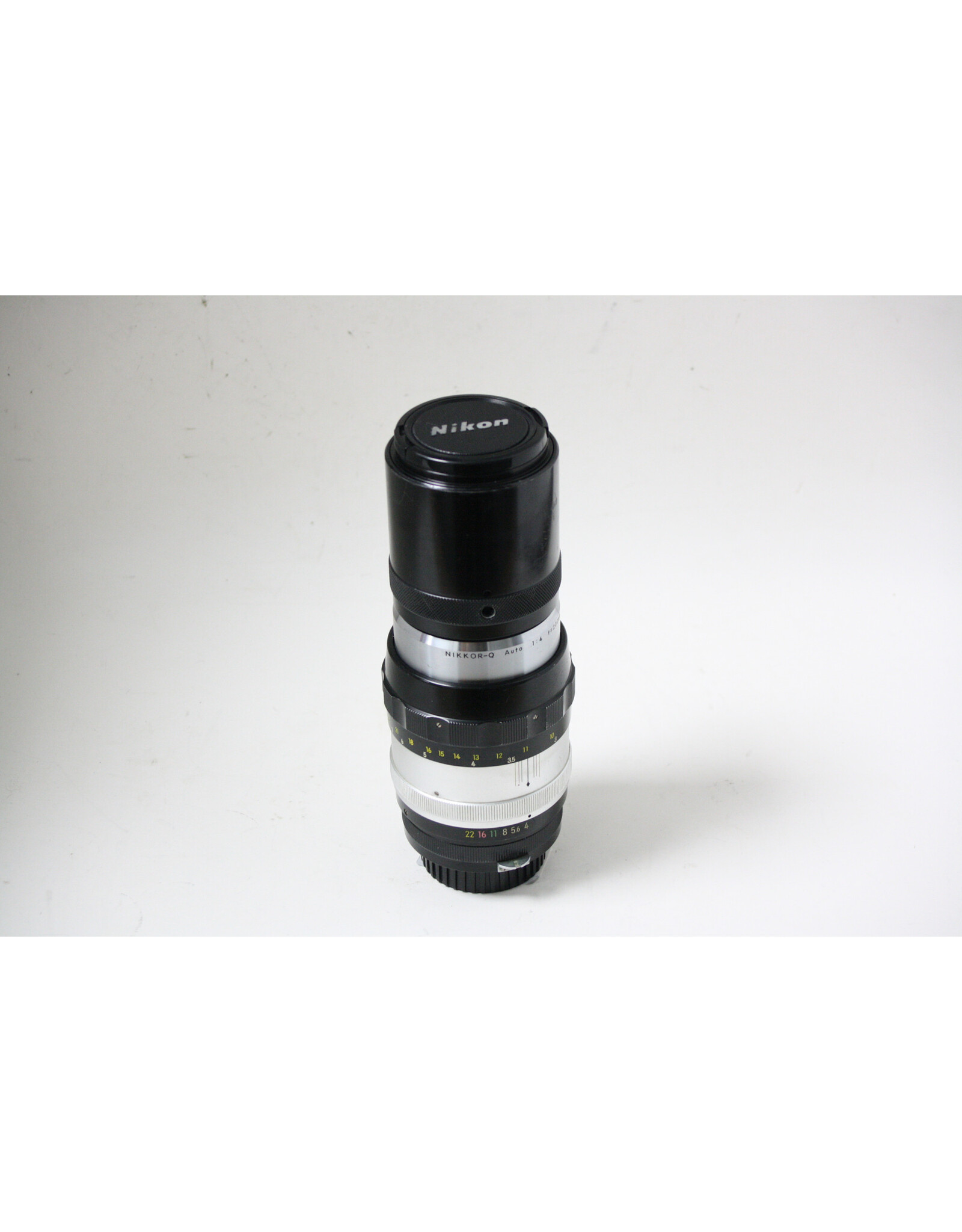
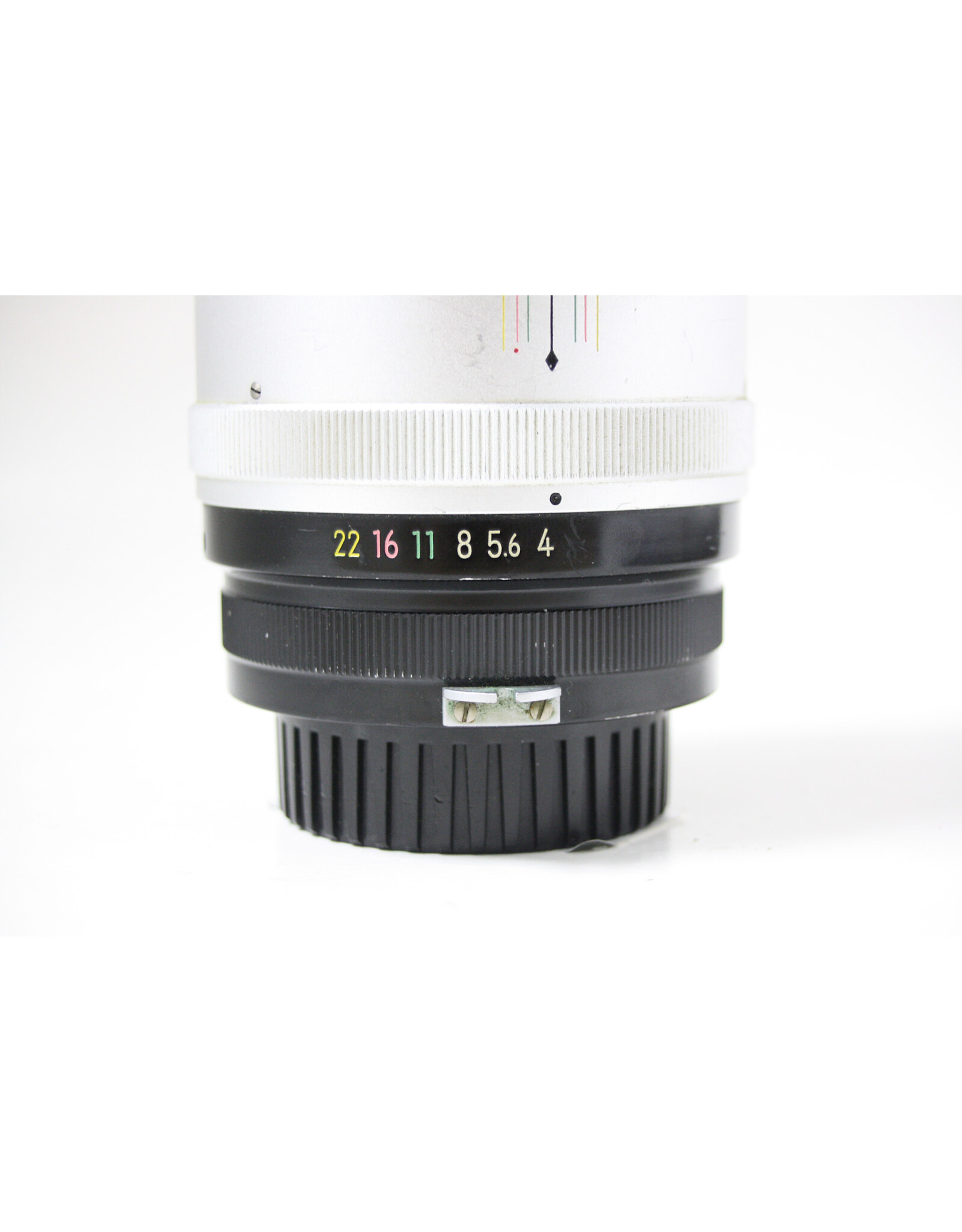
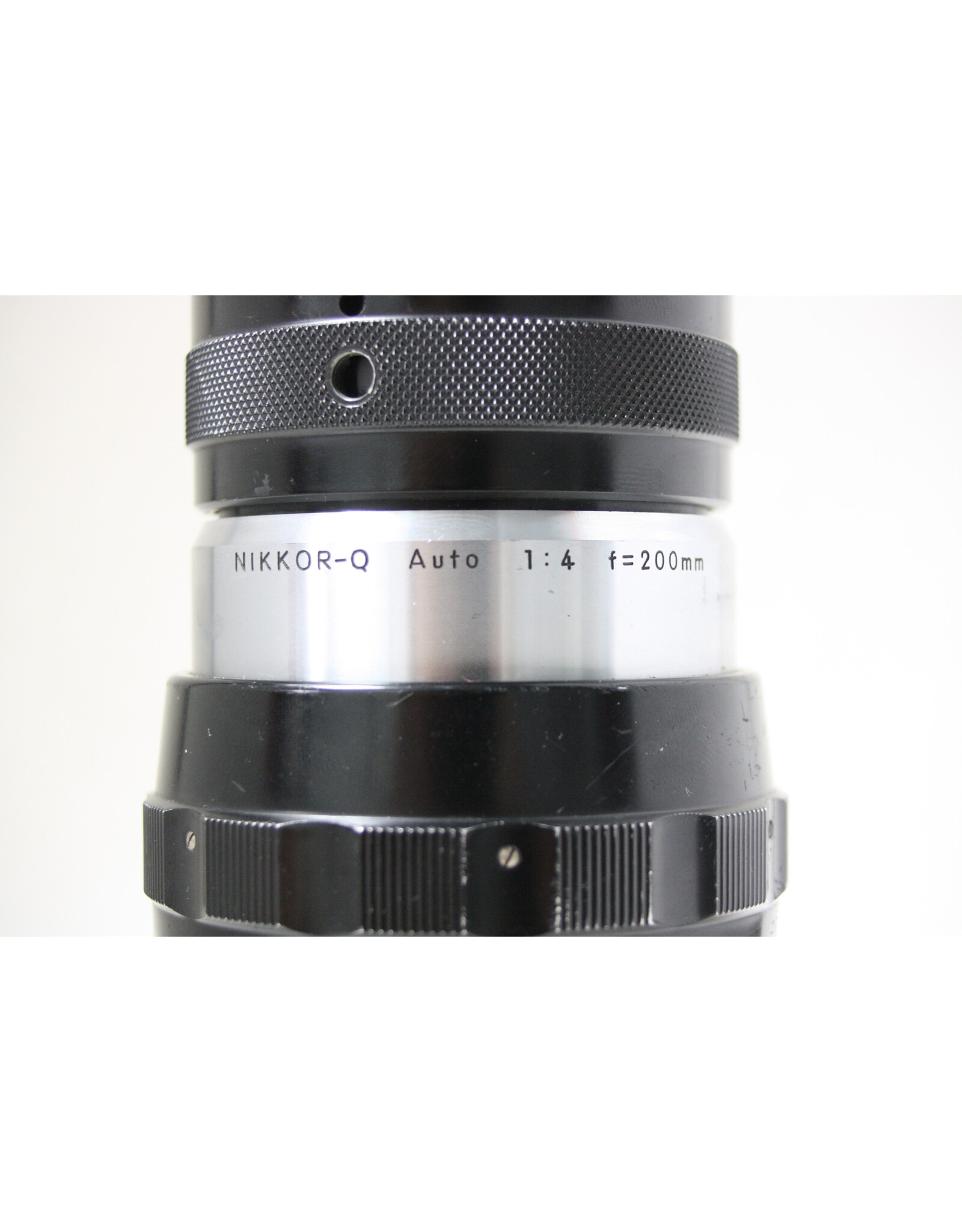
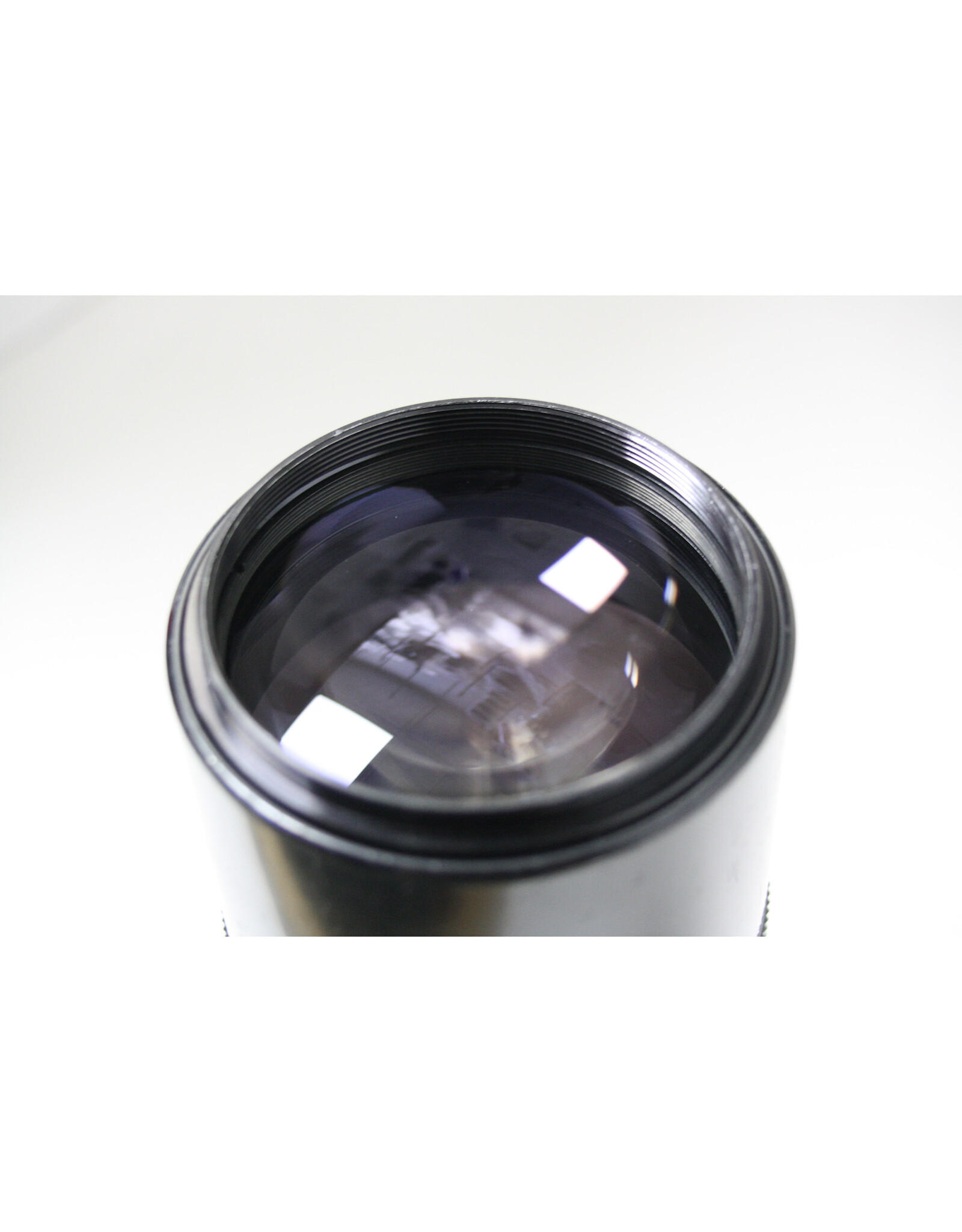
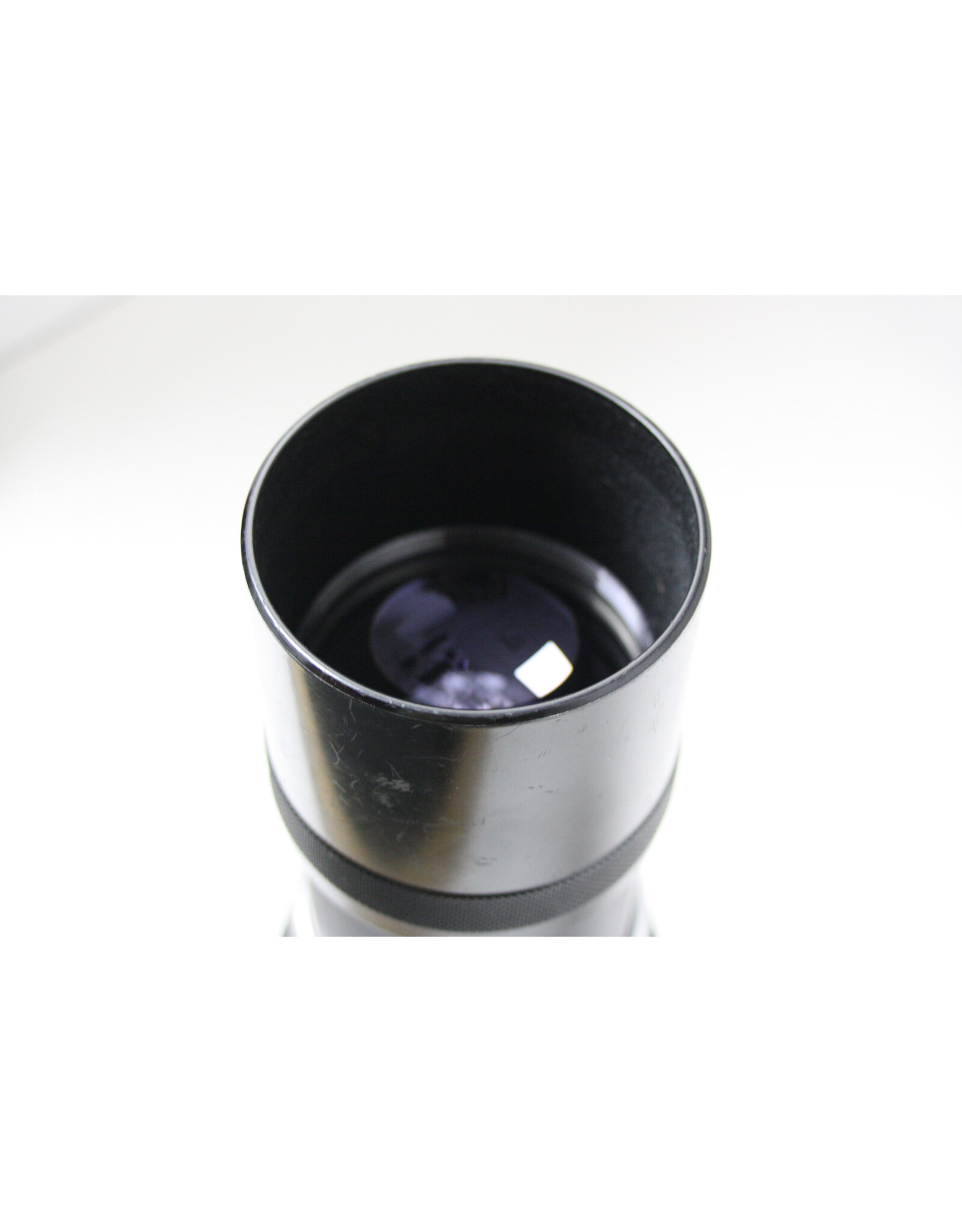
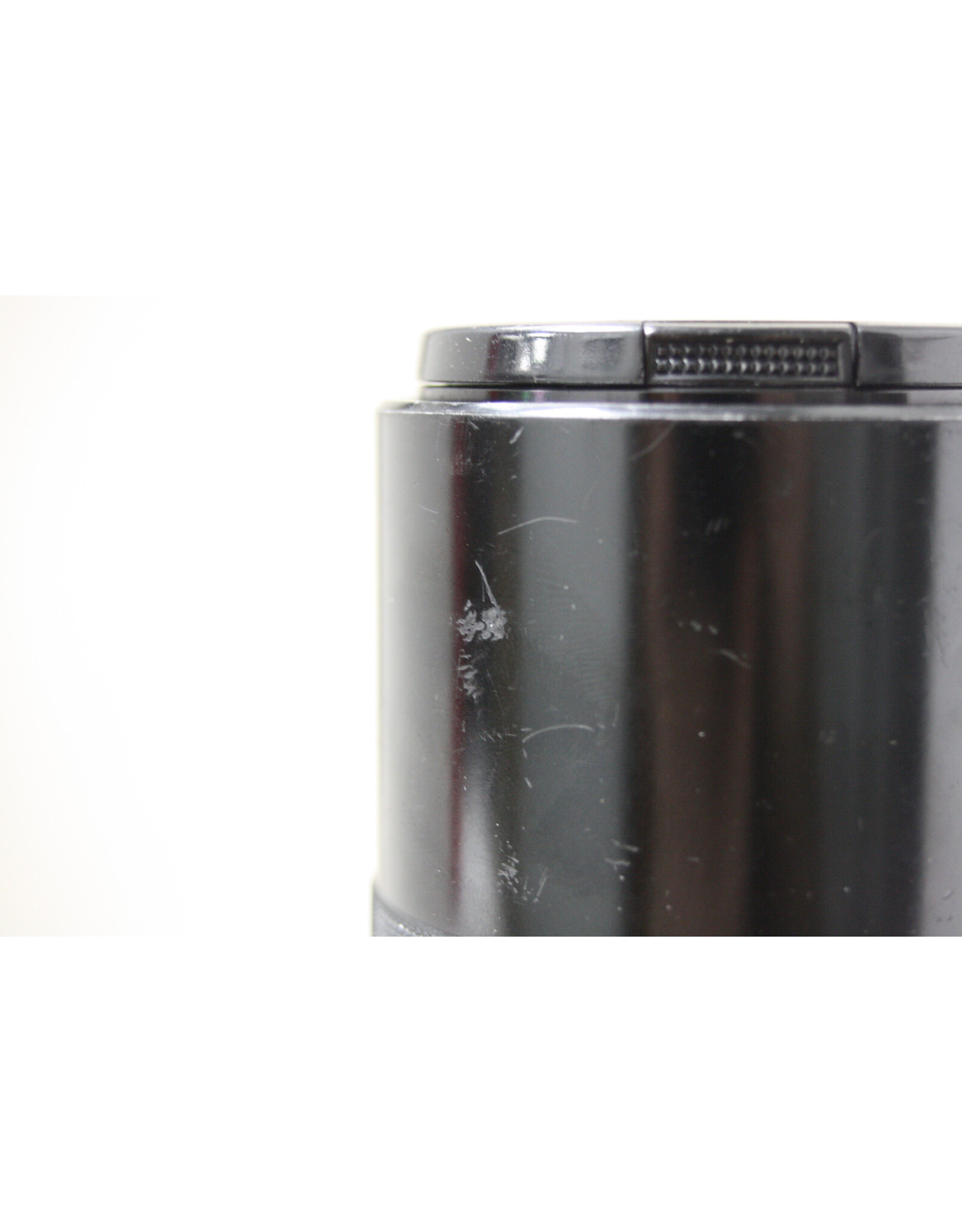
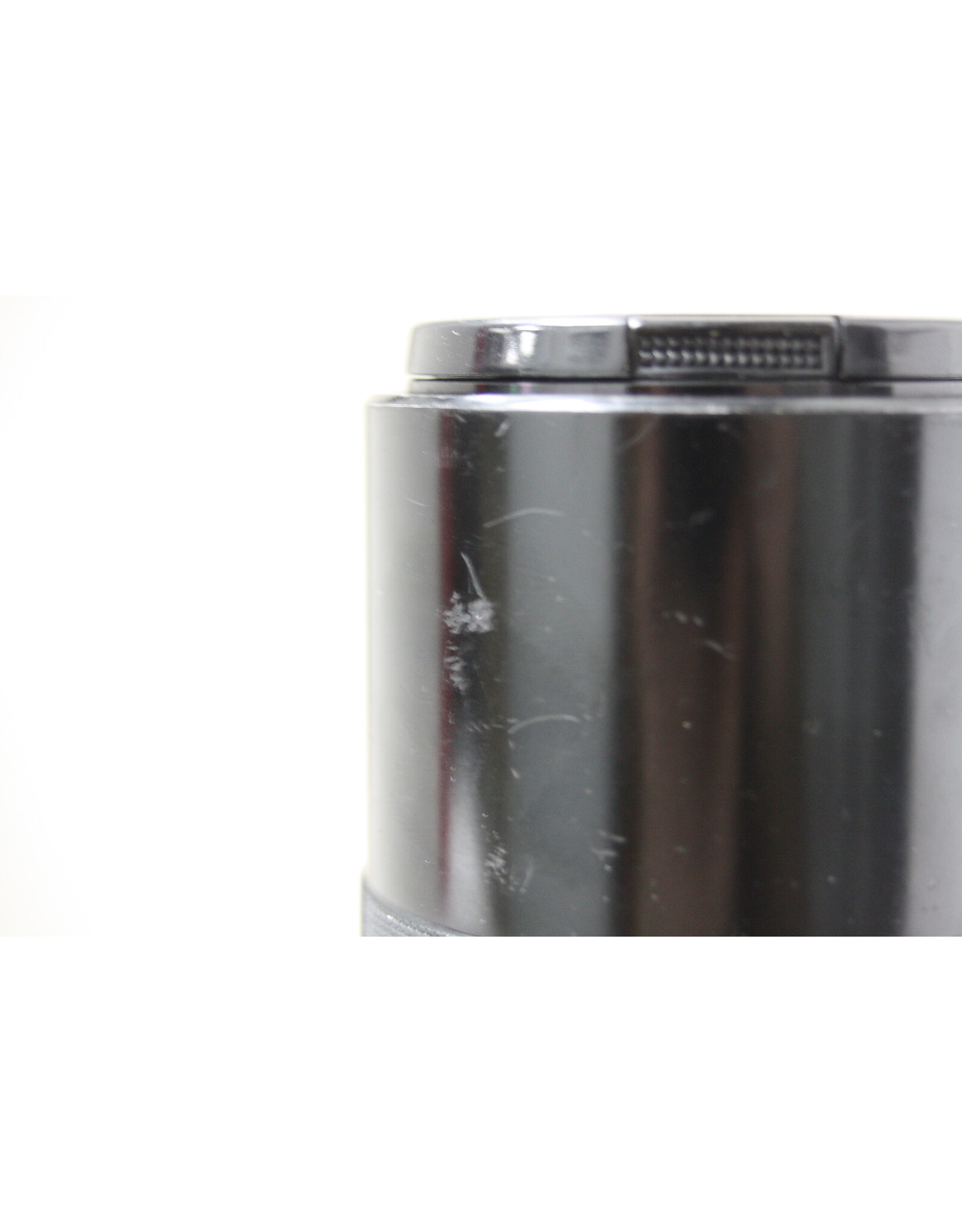
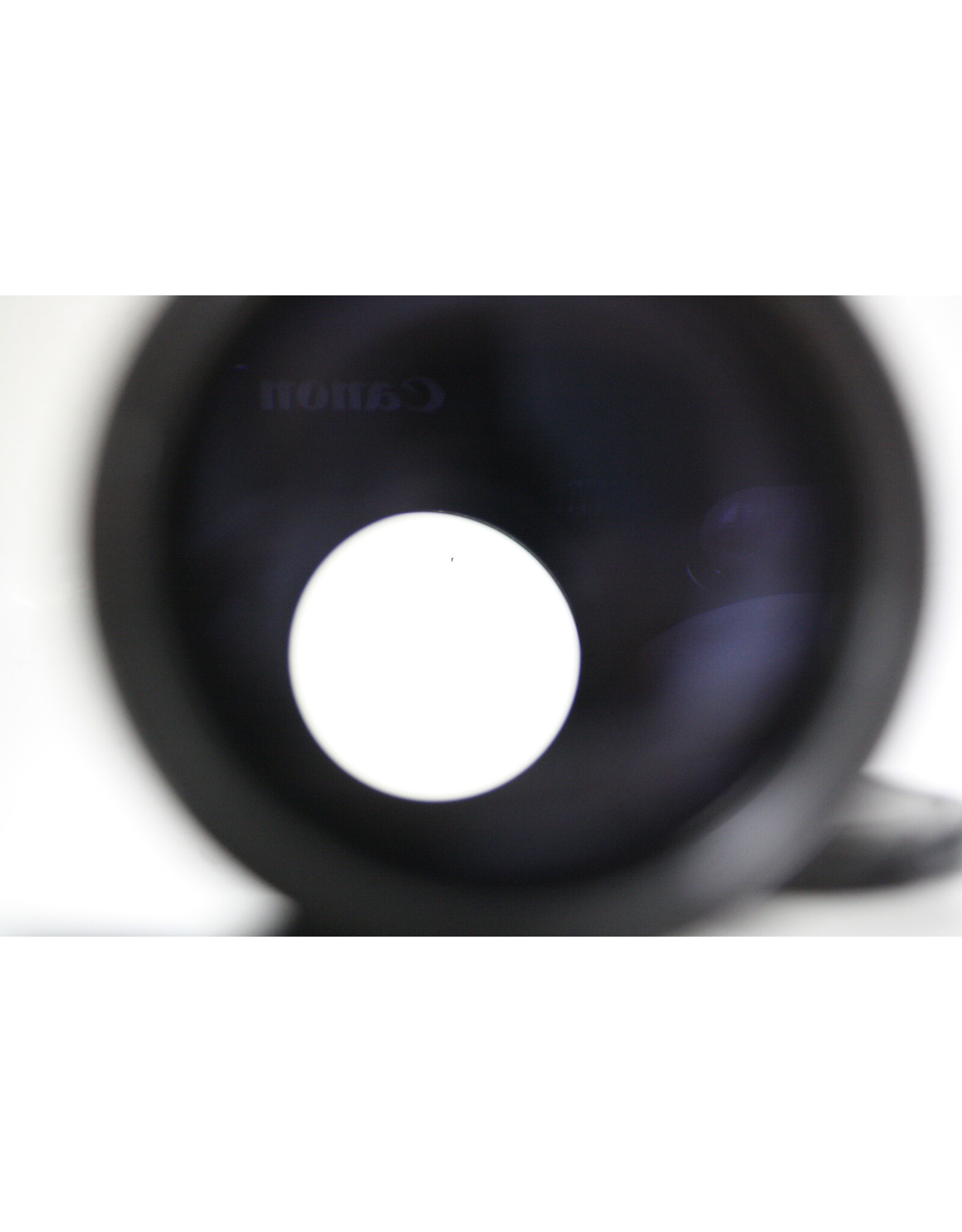
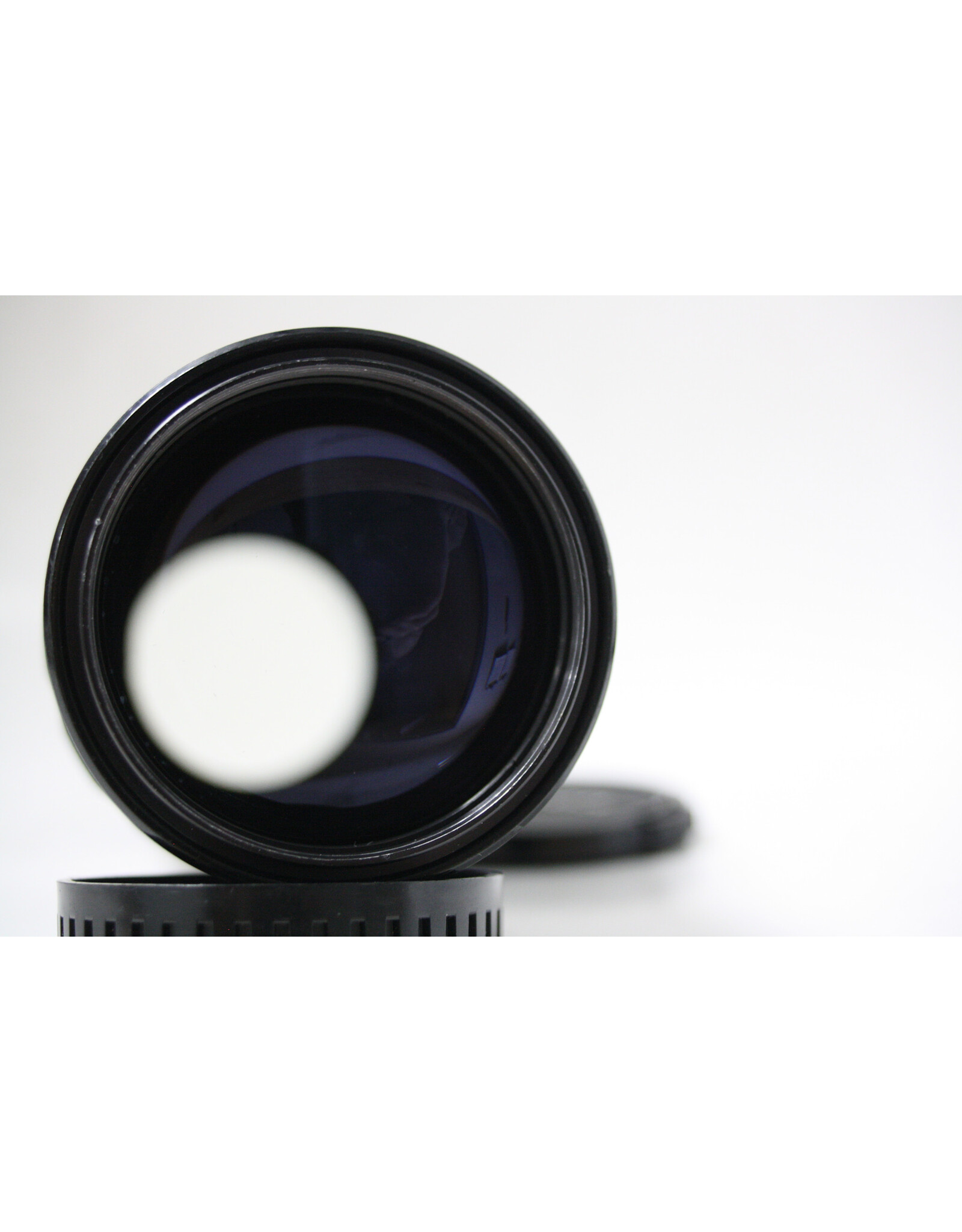
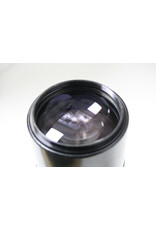
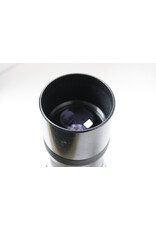
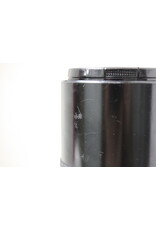
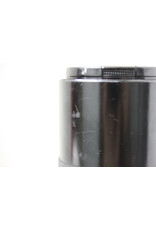
This lens is in fantastic condition, with beautiful clear glass (outside of one minor interior speck), and a well maintained body that still operates smoothly. There are some scuffs and scratches on the outside of the metal, but none that would qualify as major cosmetic defects.
Released in 1961 as the tenth Nikon F-mount lens, the Nikkor-Q Auto 200mm f/4 was the first 200-mm full-scale telephoto lens to be equipped with a fully automatic aperture mechanism. Younger generations unaware of the technologies and capabilities of the time will likely wonder, then, why F-mount lenses, including this lens, sold before the release of Ai Nikkor F-mount lenses all used "Nikkor Auto" in their names. It was because these lenses utilized fully automatic apertures. With lenses named "Nikkor Auto", the aperture was opened fully prior to shutter release, stopped down just as the shutter was released, and then automatically restored to maximum aperture after the image was captured.
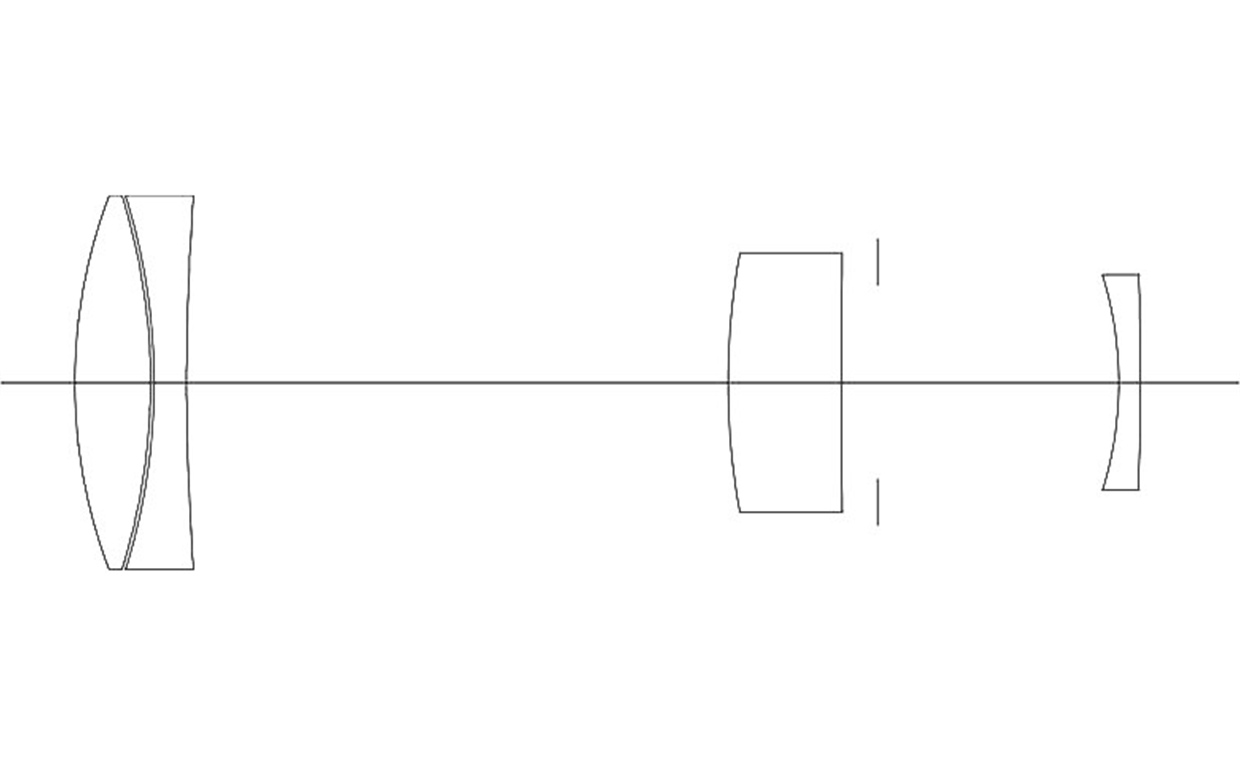
At that time, Nikon was developing not only dedicated F-mount lenses, but also lenses that could be used with both the Nikon S and F cameras. These lenses, however, were not equipped with the automatic aperture mechanism. The Nikkor-Q Auto 200mm f/4 was developed by Masaki Isshiki. He began working at Nikon in 1949, one year after Zenji Wakimoto, and with the quick introduction of hastily developed electronic computers to the lens design process, is recognized as having established the computer-aided lens design system. The basic design was completed in July 1960, and after verification of performance through trial production, the lens was released in July 1961. As shown in Illustration 1, the lens was a simple structure of four elements in four groups. The front lens group (first and second groups) and rear lens group (third and fourth groups) were each comprised of one convex and one concave element, making it a telephoto type lens. The full optical length (length from the edge of the first lens element to the focal plane) is slightly shorter than the focal length because the entire rear lens group offers concave lens features.
As the rear lens group acts as a teleconverter and pincushion distortion is common with telephoto lenses, axial chromatic aberration can be problematic. However, by not shortening the length of the lens too much and by utilizing a convex lens for the third element, adequate compensation for this aberration is provided. This lens truly shows the advantages of a simple structure of four elements in four groups.
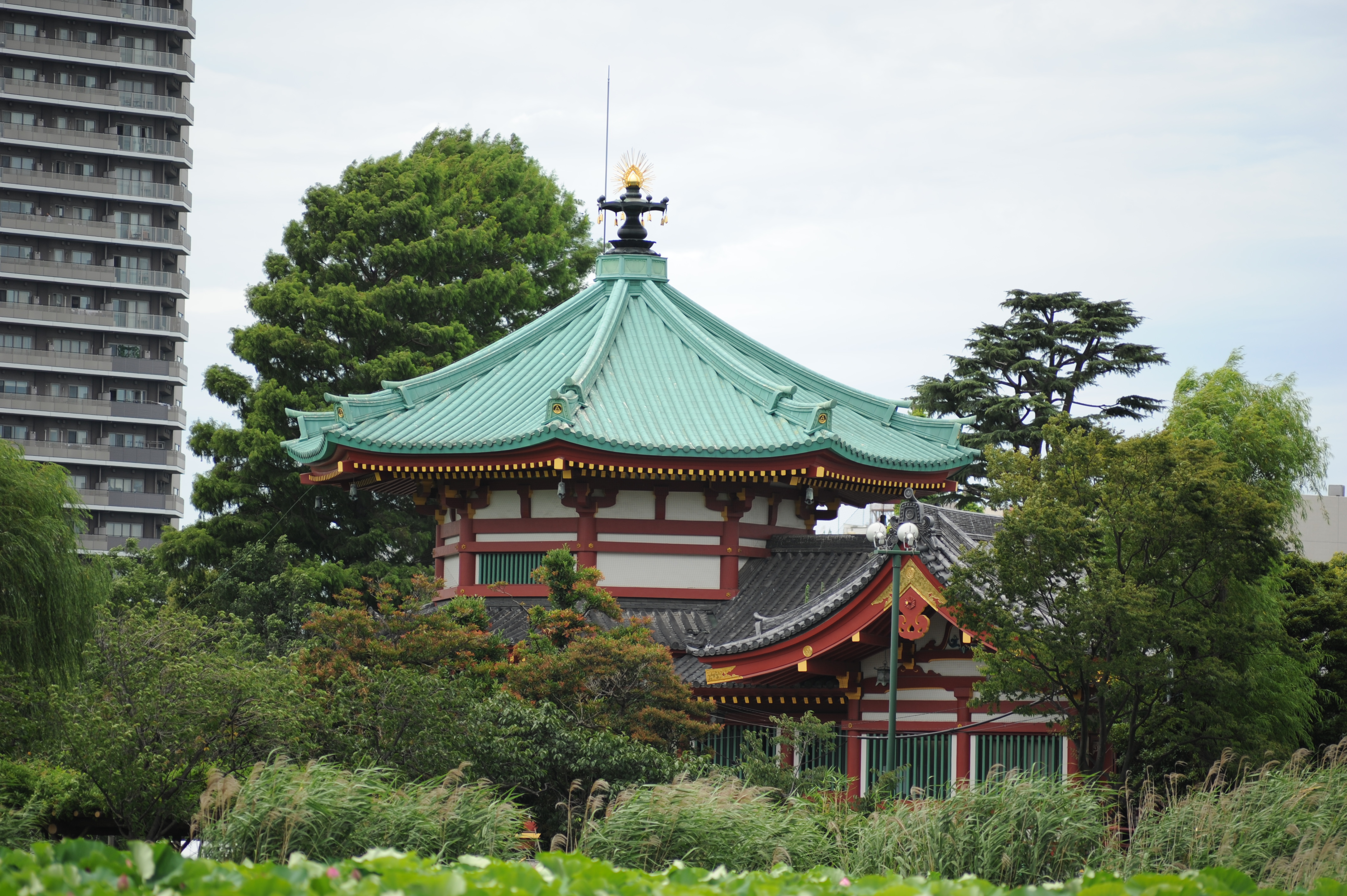

The lens used to capture the sample shots was a modified Nikkor-Q Auto 200mm f/4 with multi-layer coating applied. The camera used was the D700 digital SLR. The first image, Example 1, is a distant landscape shot captured at maximum aperture. As you can see, rendering appears uniform throughout the frame at maximum aperture. If we enlarge the image so that we can see each individual pixel, some blue to purple flare is visible at the edges of the sky, but as it is very weak, it is only noticeable in highly contrasting portions. This is not the result of axial or lateral chromatic aberration, but rather color coma flare. Therefore, stopping down the aperture significantly reduces the problem.
Example 2 is a photo of a building captured with the aperture stopped down to f/8 in order to enable as deep a depth of field as possible. At an aperture setting of f/8, the blue flare mentioned above is reduced to the point that it is almost non-existent. In addition, there is very little distortion, a characteristic that must be mentioned when discussing this lens. While it is very difficult to compensate for pincushion distortion with telephoto lenses, it has been corrected to the point that it is completely unnoticeable with this lens. This makes the lens a great tool for capturing images of subjects with straight lines, such as buildings or trains.


Examples 3 and 4 are images of flowers captured at maximum aperture. Example 3 is a photo of flowers taken at a certain distance, and Example 4 is a close-up shot of lotus flowers. The flowers, which are the primary subjects, are clearly rendered, and the blurring of the background in both images is gentle and beautiful. This is most likely due to correction of aspherical aberration applied with the modified design. As the subjects differ, direct comparison is not really possible, but I think you will see how the flower photos captured with this lens differ from the sample photo of camellia flowers in Tale 46 in terms of rendering and blur characteristics.
The Nikkor-Q Auto 200mm f/4 was an instant best seller used by a wide variety of photographers for press and sports coverage, landscapes, railroads, astronomy, and so on because it offered the high performance and nimble operation designers intended. It was sold for 15 years, during which time it remained a favorite of a great many photographers, this is a lens that many long-time Nikon fans remember fondly and with which they captured great masterpieces.
In addition, the fact that using this lens with the Nikon F made the telephoto shooting that had previously been so difficult so much easier certainly changed the way in which photographers took pictures, and probably served as a driving force behind the popularization of SLR cameras. Working off the success of this lens, Nikon would later develop a whole lineup of telephoto lenses, releasing 300-mm, 400-mm and 600-mm lenses one after the other. The age of the telephoto lens, ignited by the 1964 Tokyo Olympics, began with the Nikkor-Q Auto 200mm f/4.